Self-Care
Necessary functions can be carried out by the individual, with support, or through appropriate substitution.
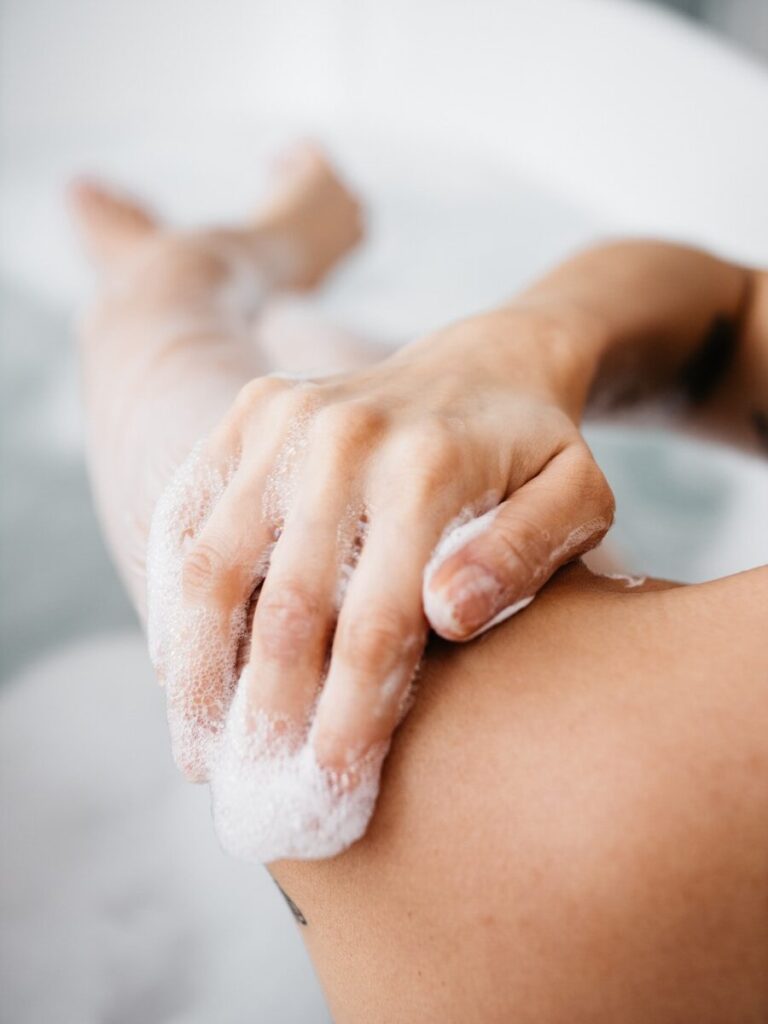
Feeding and eating, hygiene, dressing, toileting and related personal routines are recurring maintenance functions. The architecture explicitly rejects the idea that every person must perform each one independently. Assistance can legitimately provide the function.
The scientific question is therefore not whether the person is ‘independent,’ but how the function is provided, what participation the person can or wants to have in that provision, what capacities are available, and whether the arrangement is sustainable and aligned with the person’s circumstances.
WHO’s current self-care framework explicitly defines self-care as something individuals, families and communities may perform with or without health-worker support. That supports the page’s central claim that provision can be distributed and that independent execution should not be treated as the only valid functional form.
Evidence & scientific lineage
World Health Organization. WHO Disability Assessment Schedule (WHODAS 2.0). Cross-cultural measurement of functioning across cognition, mobility, self-care, getting along, life activities and participation. WHO — WHODAS 2.0
World Health Organization. International Classification of Functioning, Disability and Health (ICF). Contextual framework for functioning and disability, including environmental factors. WHO ICF
World Health Organization & UNICEF. Global report on assistive technology. Evidence and recommendations on access to assistive products and their role in participation and functioning. WHO — Global report on assistive technology