Communication
Communication enables people to receive, express and use information across relationships, services and institutions.
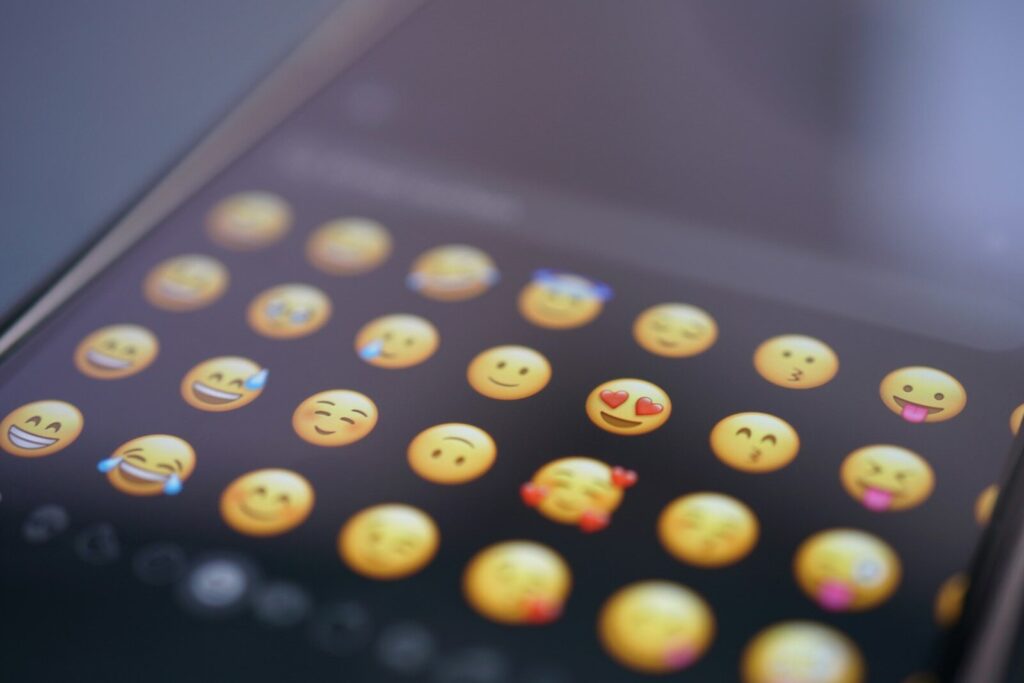
Communication includes receiving, expressing and using information through context-appropriate means. The form can vary — speech, text, sign, assistive technology, digital systems — while the underlying functional requirement remains.
This domain sits at the intersection of human capacity and institutional design. A person can have strong communication capacity and still be excluded by inaccessible language, poorly designed forms, technical jargon or systems that assume a particular mode of interaction.
Evidence & scientific lineage
World Health Organization. WHO Disability Assessment Schedule (WHODAS 2.0). Cross-cultural measurement of functioning across cognition, mobility, self-care, getting along, life activities and participation. WHO — WHODAS 2.0
World Health Organization. International Classification of Functioning, Disability and Health (ICF). Contextual framework for functioning and disability, including environmental factors. WHO ICF
World Health Organization & UNICEF. Global report on assistive technology. Evidence and recommendations on access to assistive products and their role in participation and functioning. WHO — Global report on assistive technology