
Home & Daily Living
Domestic functioning includes the recurring activities required to maintain safe and usable living conditions.
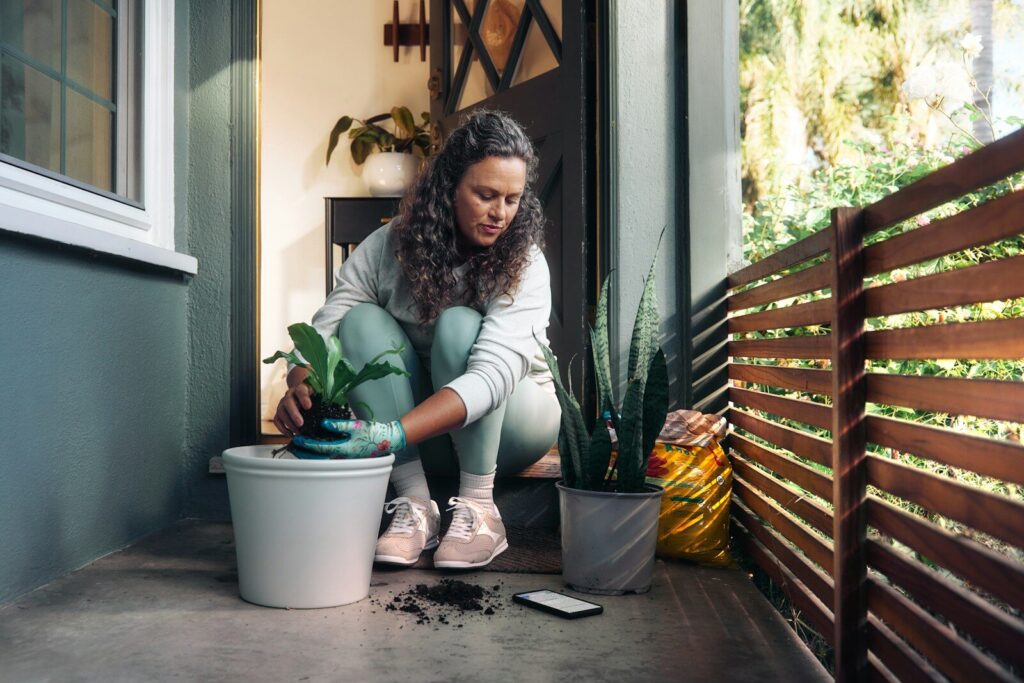
Food preparation, housekeeping, laundry, living conditions and housing all involve recurring coordination. The exact arrangement varies across cultures, households, income levels and living situations, which is why many implementations are treated as contextual rather than universal.
The deeper scientific question is what functions a viable living environment has to provide, what capacities allow a person to participate in maintaining those functions, and how much of the burden can be shifted to markets, family, technology or institutions.
Evidence & scientific lineage
World Health Organization. WHO Disability Assessment Schedule (WHODAS 2.0). Cross-cultural measurement of functioning across cognition, mobility, self-care, getting along, life activities and participation. WHO — WHODAS 2.0
Law, M., Cooper, B., Strong, S., Stewart, D., Rigby, P., & Letts, L. (1996). The Person-Environment-Occupation Model: A Transactive Approach to Occupational Performance. Canadian Journal of Occupational Therapy, 63(1), 9–23. DOI: 10.1177/000841749606300103
World Health Organization. Social determinants of health. Conditions in which people are born, grow, live, work and age, including access to power, money and resources. WHO — Social determinants of health